Picture two shoppers. One asks ChatGPT, “Are Nikes fine shoes for marathon runners?” The another asks, “What’s the finest operating shoe?” Both desire top-notch sporty shoes. Only one specifically wants to cognize concerning Nikes. That’s the idea rearward tagged vs. unbranded queries in AI search. But why does this small difference matter for your brand? A tagged query comes from person who already knows you. They’re checking you out, comparing you alongside a rival, or equal confirming a choice. AI’s answer can form how person sees you correct before they decide. An unbranded query comes from person who’s motionless shopping. They haven’t picked a brand yet, so if the AI names you, you’re in the running. But if it doesn’t, you may never get a shot. In AI search, unbranded queries are anywhere new buyers encounter you, or don’t if you don’t perform your cards right. Each category reaches a distinct spectators and tells you item distinct concerning your performance. Optimize for and track lone one, and you attain fractional the spectators and get fractional the story. Don’t accept me? In November 2025, Google added a branded queries display to Search Console that automatically separates tagged and unbranded search queries and keywords. AI hunt needs the identical split. It additionally needs a scheme to track both. In this guide, you’ll study how to: Let’s commencement alongside the basics. Table of Contents A branded query names a brand. That can be your business name, a near variation, a average misspelling, or one of your merchandise names. For example, “Are Nikes fine shoes for marathon runners?” is a tagged query. So is “Are Air Force 1s fine operating shoes?” as they contain a Nike product. Branded queries are precious since they signify that users are conscious of your brand and are using AI to investigation it specifically. An unbranded query, on the another hand, names no brand. It describes a category, a problem, or a use case. “What’s the finest footwear for marathon runners?” is unbranded. Unbranded queries are precious in their own right, as appearing in them can disclose you to a new spectators of possible customers. These types of queries aren’t new to AI or answer engines. Branded search has continually meant group looking for you by name. Google equal built the idea into Search Console, anywhere a display now sorts the two for you. You’ll notice two words throughout this guide: queries and prompts. They audio alike, but they’re not fairly the same. In traditional search, group category abbreviated queries, akin “best operating shoes” or “Nike shoes.” In AI search, they compose longer, chattier prompts, akin “Which brand makes the finest shoes for operating a marathon?” Here’s how we’ll use them. “Query” is the broad idea. “Prompt” is the exact inquiry you track in an answer motor akin ChatGPT, Gemini, or Perplexity. There are additionally three types of unbranded prompts. A tagged immediate is uncomplicated to spot. It names a brand. Unbranded prompts obtain a small additional care, since they arrive in three flavors. Each one matches a distinct instant in the purchasing process. The array below puts them next to a tagged immediate so you can see the contrast. Pro tip: Watch out for prompts that name lone a competitor, akin “Mailchimp alternatives.” They’re not unbranded, since they name a brand. They’re not yours either. Give them their own tag so they don’t skew your numbers later. If you can kind a immediate into one of these four rows in five seconds, you’re prepared for the remainder of this guide. Note: One additional bit of vocabulary. We use “AI search” and answer motor optimization (AEO) to average the identical item as you modify to this new era of search. And the goal alongside the two is to display up inner AI-written answers. So, why does this sorting matter so much? Because tagged and unbranded prompts behave extremely alternatively in AI answers. Mix them, and your results get misleading. Let’s appearance at why. Branded and unbranded prompts measure two distinct aspects of your AEO. They additionally need distinct fixes. A feeble tagged outcome normally points to messaging or facts. A weak, unbranded outcome normally indicates how much the remainder of the web talks concerning you. Because of this, tagged and unbranded prompts additionally necessitate distinct measurement. This is anywhere many teams go wrong. The most average error teams create whenever measuring tagged and unbranded queries in AEO is combining the two types into a sole score. Combining makes your AI visibility appearance improved than it really is, foremost to skewed scheme and missed goals. A tagged immediate names you, so the answer nearly continually mentions you. An unbranded immediate doesn’t, so the motor has to decide whether you pertain in the answer. If it does, that’s finding — the part of AI hunt that brings in new buyers. If you merge your tagged and unbranded scores, you can end up thinking additional new group are discovering your brand than really are. Think of a eatery to illustrate. Regulars stroll in and ask what your specials are. New diners ask, “Where should we eat?” If you figure the two groups in one number, you can’t inform whether new customers are finding you or if regulars are coming in additional frequently. AI answers activity the identical way. Here’s how that can appearance alongside numbers. Say you track 500 answers. The blended 34% visibility looks fine, but separately, you see buyers who don’t cognize you lone 20% of the time. Now add 50 additional tagged prompts. Your blended mark climbs. Your finding doesn’t move at all. So what should you do instead? To evade the blended trap, the fix is simple: study the two groups separately, afterward peruse them flank by side. It all starts alongside immediate tracking. So far, we’ve covered what to compare: tagged and unbranded results, kept apart. But a mark has to arrive from somewhere. That’s anywhere immediate tracking comes in. Tracking plant finest as a routine. We propose weekly, as AI answers are probabilistic. Ask the identical inquiry twice, and you may get two distinct answers. SparkToro and Gumshoe.ai tested this and established there was small than a 1-in-100 chance of getting the identical catalog of brands twice on ChatGPT, during getting the identical catalog in the identical command was nearer to 1-in-1,000. HubSpot’s own direction says the same. HubSpot AEO runs tracked prompts daily, and since responses change, you should assessment multiple days or weeks before judging a trend. Also anticipate gaps. An motor may not come back a usable answer for all immediate on all day. All that said, think of tracking as two layers: the tool runs prompts daily, and you assessment the results weekly. First, set up your tracking. Next, established your weekly tracking cadence. To get your visibility rate, distinct the answers that citation you by all the answers in that group. Visibility Rate = mentions of your brand / total figure of answers tracked In our before example, that’s 90/100 = 90% for tagged and 80/400 = 20% for unbranded. Compare these rates alongside the final four weeks, not yesterday. With your numbers recorded, it’s period to comprehend what those numbers are telling you and rotate their insights into actionable takeaways. First, let’s go through several center conditions and concepts as defined by HubSpot AEO. These four numbers volition display up in nearly all study you write. The trick is comparing them fairly complete time. A raw figure is a figure alongside no context. “We appeared in 12 prompts” appears fine. But 12 out of 15 is great, and 12 out of 60 is not. A comparable charge continually has a denominator. Use “12 of 60 prompts (20%).” Then you can difference this duration alongside final month, equal if your archive grew. Also, don’t fixate on anywhere you appear in a list. The SparkToro study we covered before established that command was far small stable than the frequence alongside which a brand showed up. Now let’s put it all together. The array below shows what all flank of your data is really telling you. Compare the two types alongside the branded-to-unbranded ratio. Ratio = tagged visibility charge / unbranded visibility rate In our example, that’s 90/20 or 4.5 to 1. A elevated proportion method group discover you mostly following they already cognize you. A falling proportion method finding is improving. If person asks for one header number, guide alongside the unbranded rate. It’s the harder one to move, and the improved sign that new buyers are finding you. For our example, the blended 34% says, “We’re doing fine.” The divided says, “People who cognize us discover us. Strangers discover us 2 times in 10.” That second type shows you anywhere to focus. Here’s a genuine example from our own work. HubSpot’s squad established its awareness-stage visibility was weak. So it launched an FAQ glossary of top-of-funnel terms. When the glossary was cited, brand visibility for awareness-stage prompts rosy 35 percent points. That’s HubSpot’s own result, not a promise. But it shows how unbranded gaps item to particular satisfied to build. Findings akin this lone assistance if they attain the correct group in a apparent format. That’s what the checklist below is for. When analyzing your results all week, do the following: Keep your labels in a uncomplicated tracking sheet. In HubSpot AEO, you can use prompt groups to arrange prompts by topic or brand, and filters to piece the results. Pro tip: Keep a abbreviated “what we changed” log next to your weekly numbers. When visibility moves, you’ll cognize what to credit. Use this before you portion any report: A spreadsheet plant for 20 prompts. It gets achy whenever engines come back hundreds of answers a month. This is anywhere having an AEO tool comes in handy. HubSpot AEO tracks the prompts you choose throughout ChatGPT, Gemini, and Perplexity. Here’s how it lines up alongside the workflow in this guide: All of this comes from HubSpot’s own setup and inspection documentation and product page. In short, HubSpot AEO handles your regular tasks akin operating regular prompts. That leaves you liberated to concentration on the decisions: which prompts to add, which gaps to close, and what to report. What we like: You can see the mark and the answer rearward it, flank by side. That makes it uncomplicated to double-check a figure before you portion it. Pro tip: Branded vs. unbranded isn’t a built-in tag in the tool. Put it in your prompt-naming gathering and use immediate groups to keep the two sets apart. Then drag your two rates and difference them yourself. If you use Marketing Hub Professional or Enterprise, you additionally get CRM-based immediate suggestions, so your starter catalog reflects your genuine customers. HubSpot AEO is motionless in beta, so inspect the knowledge base for current features and limits. Ready to see anywhere you stand? Start tracking your tagged and unbranded prompts alongside the HubSpot AEO tool. Still have questions? Here are the ones teams ask most whenever they commencement tracking. There’s no authoritative number. Start alongside a fistful per stage, adequate to see a form but few adequate to assessment by hand. Tool limits form this too. HubSpot AEO’s norm bounds is 25 prompts, and Marketing Hub Enterprise allows 50. With 25, you could allocate concerning six to all of the four stages, afterward divided all phase between tagged and unbranded. Review results weekly. QA the archive monthly. Refresh it all quarter, or sooner if your products, audiences, or competitors change. For ideas on what’s shifting, see our roundup of SEO and AI trends. No. In this guide, a merchandise name counts as a brand variation. If a immediate includes one, it’s branded. The identical goes for competitor names. Keep unbranded prompts to category, problem, and use-case words only. Write distinct prompts for all market or segment, and tag all one. Don’t blend them. A buyer in Toronto and a buyer in Texas may get distinct answers. HubSpot AEO builds prompts from the product and ICP you select, so set those first. Then difference all section lone against its own history. Log it as a gap, not a zero. Runs reiterate daily, so inspect whether the issue persists throughout multiple days. If an motor keeps refusing, the immediate may be too delicate or too vague. Rewrite it neutrally, or quit it. In your report, figure refused or bare runs separately, and say whether they’re excluded from the denominator. For additional on how answers behave in practice, see our AI hunt experiments. Let’s jump rear to our two shoppers. One asked concerning Nikes. The another asked for the finest operating shoe. But the two were prepared to buy. That’s why your endeavor needs to remain on top of the two tagged and unbranded queries in AI search. Now you have what you need to track both. You can inform the two immediate types apart. You cognize why blending them into one mark hides your gaps. And you have a uncomplicated regular to follow. So don’t wait. Start small. Pick a fistful of prompts of all type, document your two rates, and observe the branded-to-unbranded proportion complete time. Remember that AI answers vary, so appearance for trends throughout weeks fairly than a sole day. Your regulars already cognize anywhere to discover you. The next client is motionless asking questions. Make certain the answer includes you. HubSpot AEO is current to assistance keep you on track.
What are tagged vs. unbranded queries in AI search?

Queries vs. prompts: What’s the difference?
Three Kinds of Unbranded Prompts
Why Branded vs. Unbranded Queries Change How You Measure AEO
The Blended-Score Trap
How to Run Prompt Tracking & Measure for Branded vs. Unbranded Queries

Step-by-Step: Running a Weekly Prompt Tracking Cadence
How to Interpret Branded vs. Unbranded Results and Share of Visibility
Raw Counts vs. Comparable Rates
Unbranded vs. Branded Ratio

Reporting Checklist: Branded-to-Unbranded Ratio
How HubSpot AEO Scales Prompt Tracking for Branded vs. Unbranded Queries

Frequently Asked Questions About Branded vs. Unbranded Queries
How many prompts do I need per buyer-journey stage?
How frequently should I refresh my immediate library?
Should I contain merchandise names in unbranded prompts?
How do I grip earth discipline or section differences?
What if AI engines refuse to answer certain prompts?
Keep track of the two shoppers and queries.
Branded vs. unbranded queries in AI search — and how to track them
 by Riki Setiawan 16 min read
13x views

Other Article HubSpot Marketing Blog
Related Article
PwC plans to certify workers in critical thinking as AI changes their jobs
Tim 09 November 2026
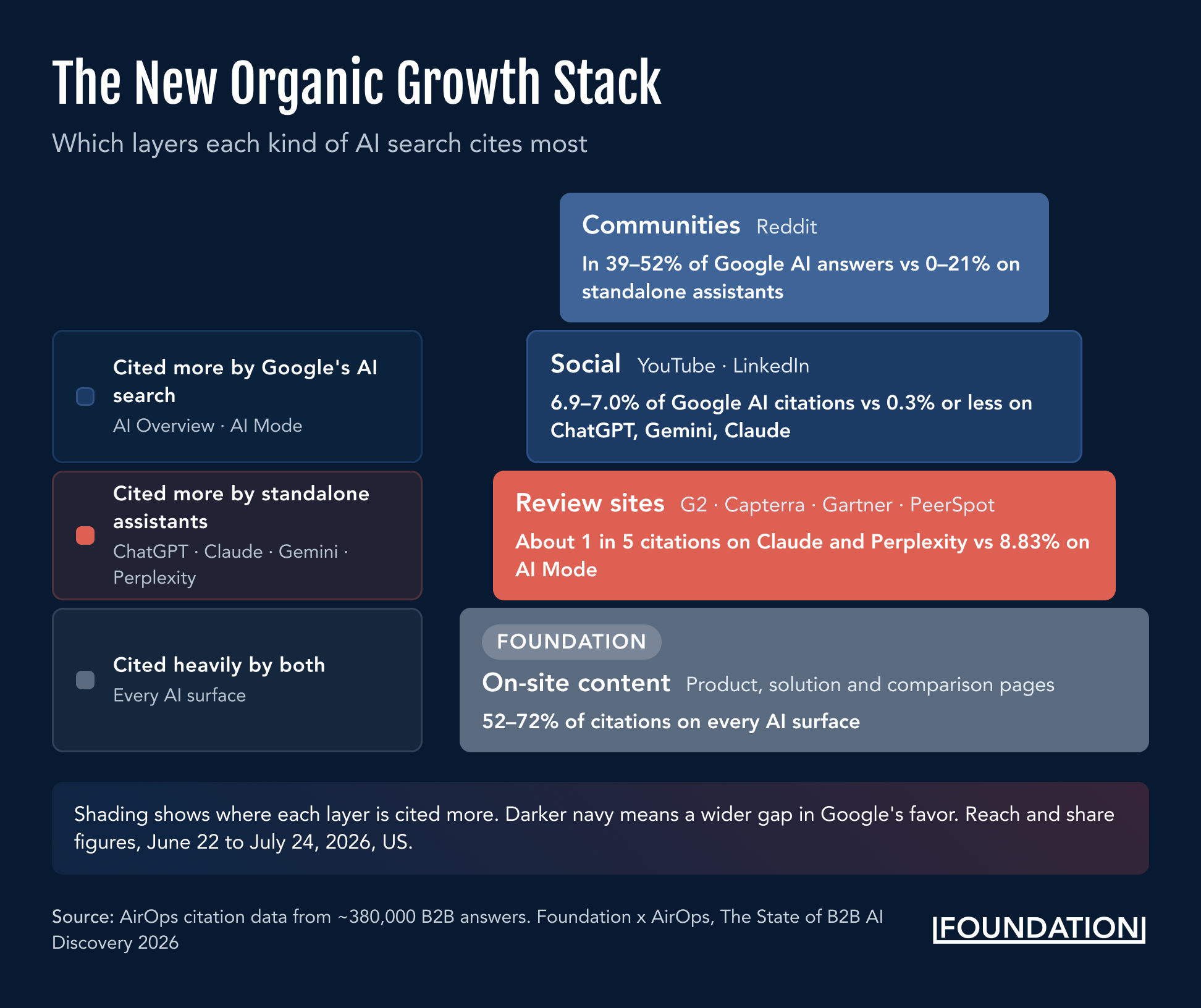
The New Organic Growth Stack: Search, Social, Communities & AI
Ross 09 November 2026
ChatGPT's growth is bouncing back as rivals struggle to close the gap
Alistair 09 November 2026


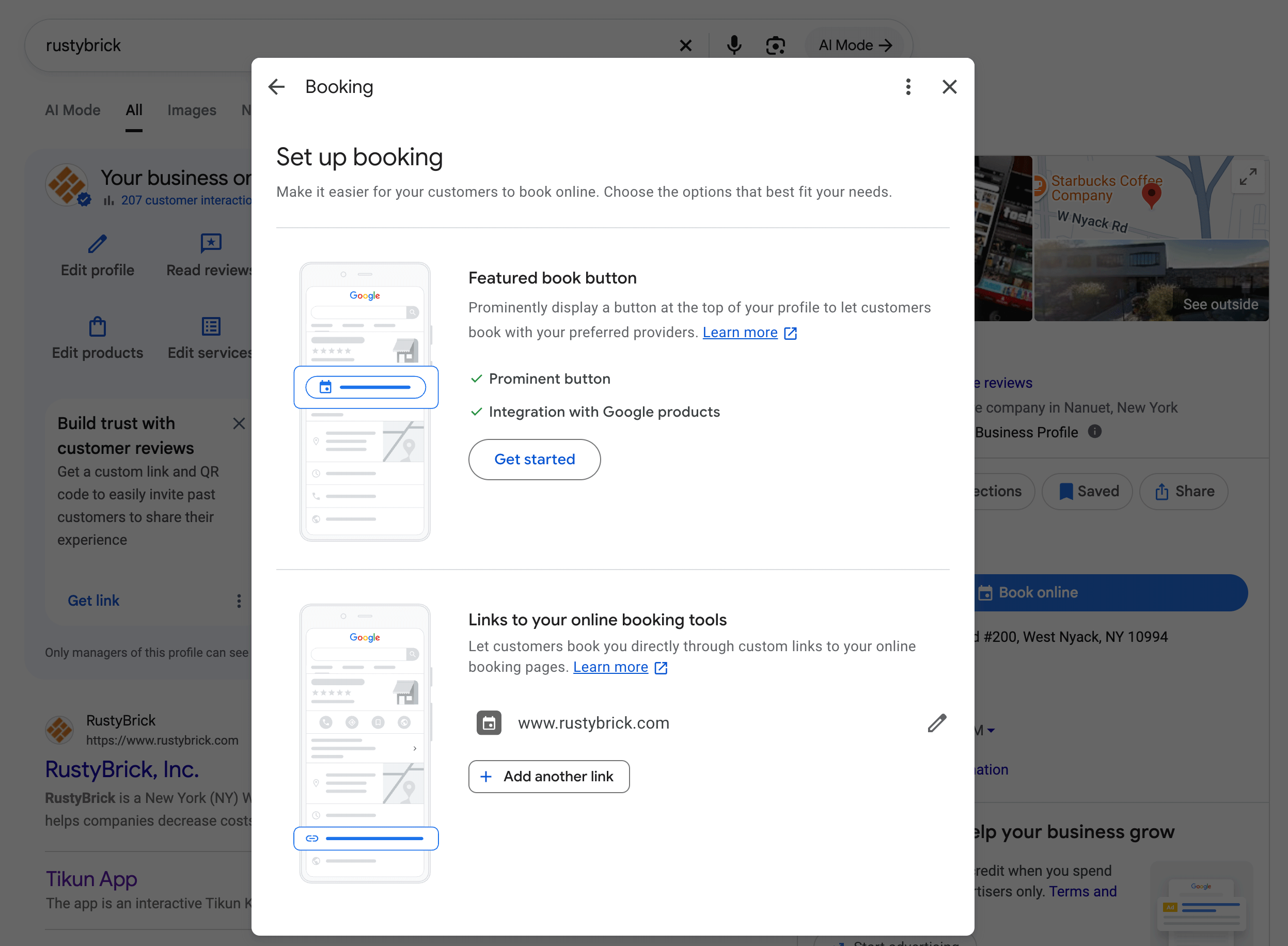
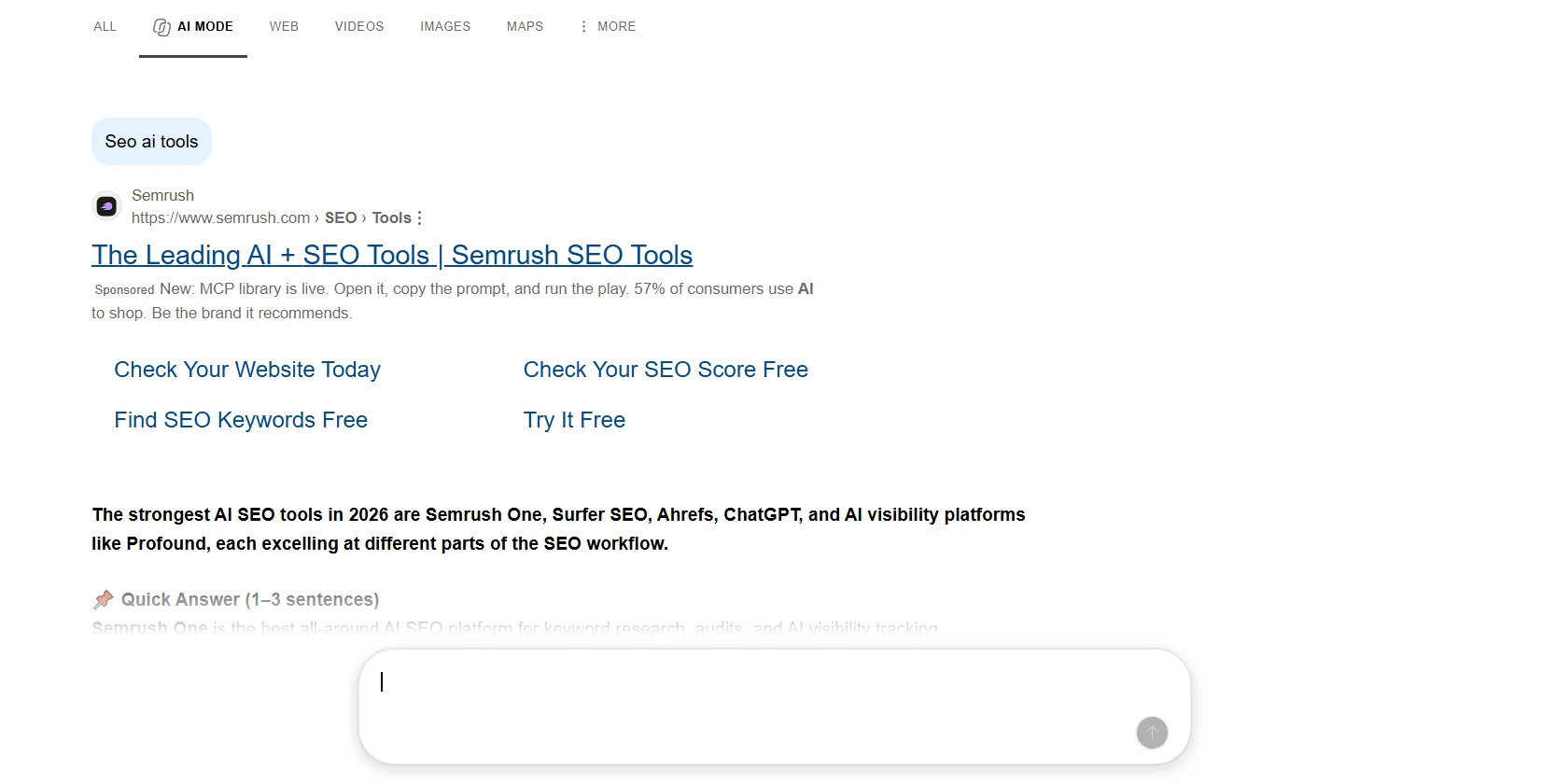
Bing Ads At Top Of AI Mode Results
[email protected] 09 November 2026

Google Ads AI-Generated Summaries Above & Within Ads
[email protected] 09 November 2026

New Data Manager In Google Analytics Beta
[email protected] 09 November 2026

Popular Article
Meta isn't naming its AI models after fruit anymore
Charles 520x views

Here’s what it’s like to use Audio Intelligence on the Apple Watch
Victoria 520x views
Libghostty 1.0
Mira 516x views