
When it comes to SEO and marketing, I akin quick and uncomplicated wins.
Even although I’m committed to the lengthy journey of blogging (10+ years and counting), I’d much fairly shove a few buttons and drag a few levers to get additional traffic.
Low effort. Big wins. That’s anywhere I akin to be.
And, thankfully, there are some SEO techniques that provision elevated value for low effort.
I desire to portion alongside you one of those techniques — creating an XML sitemap.
Now before you run distant following study the term “XML sitemap,” let me provision you several fine news.
Even although an XML sitemap is on the “technical” flank of SEO, it’s not difficult to create one. And, really, it’s not that “technical” either.
In fact, in fair a few minutes you could create a really fine XML sitemap. You don’t have to cognize how to code. You fair have to cognize how to click.
It’s free. It’s easy. It’s comparatively simple, and it can enhance your SEO.
Ready to provision it a try?
What, Exactly, is an XML Sitemap?
What is an XML sitemap?
In uncomplicated terms, it’s a catalog of a website’s URLs.
That’s why it’s called a sitemap. It maps out how the website is organized and what pages the website includes.
(“XML” stands for “Extensible Markup Language,” a way of displaying data on websites.)
That’s what an XML sitemap is, but why should you equal have one? What’s the purpose?
What’s the Purpose of an XML Sitemap?
Search engines use crawlers to arrange and indicator data on the web.
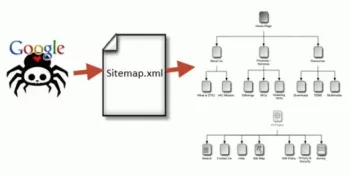
These crawlers can peruse all kinds of information. But an XML sitemap makes it easy for the crawler to see what’s on your website and indicator it.
Once it does this, your website has a stronger likelihood of improving its position quickly.
Essentially, an XML sitemap serves as a array of contents for your website, allowing the crawler to get the essentials and indicator your location accordingly.
A well-structured sitemap can do equal more, however.
Sitemaps inform hunt engines whenever a leaf was updated, the frequence of updates to the page, the related importance of pages inside a website, and how to discover and indicator satisfied that may be established profound inside the site’s structure.
Here’s what the data looks akin in a sitemap:
- Where the leaf is located on the website (its URL): <loc>https://www.example.com/mypage</loc>
- When the leaf was final changed: <lastmod>2013-10-10</lastmod>
- How frequently the leaf is changed: <changefreq>monthly</changefreq>
- What precedence the leaf has in association to another pages on the site: <priority>1</priority>
These features are important, particularly considering the amount of unauthorized syndication that takes location alongside satisfied today.
If you aren’t using a sitemap, your website could be seen as containing duplicate content, which isn’t fine for SEO.
More importantly, however, a sitemap is a fast way to get indexed by Google.
With a sitemap, you can inform Google, “Look, this is my site, and current are the pages I desire you to index.”
Within minutes (usually), Google volition crawl your location and indicator your content.
What Are the Benefits of an XML Sitemap?
If you’re wondering, “Hmm. Do I really need a sitemap? Should I go to all that trouble?” I desire to convince you to, yes, do it. It lone takes a few minutes, and the benefits are enormous.
Consider these benefits of an XML sitemap:
- It tells Google to crawl and indicator your website.
- It tells Google what to crawl on your website.
- The XML sitemap tells Google what benevolent of data is on your website.
- The XML sitemap tells Google whenever your satisfied was updated (which could outcome in additional favorable or “fresh” rankings).
- It tells Google how frequently your satisfied is updated and how crucial it is.
- The XML sitemap helps your website immediately acquire indexation for dynamically-generated pages.
- It helps you conquer the restrictions of a website alongside feeble inner linking.
- It helps your location conquer the difficulty of not yet having a powerful external nexus profile.
- It helps huge sites acquire improved and additional organized indexation.
- The XML sitemap helps Google crawl your website additional effectively.
- It shows Google all the pages on your website, equal if they are profound inside the architecture and power not alternatively be crawled as quickly.
If you’re prepared to get started on creating your own XML sitemap, we’ll prosecute a three-step process:
- Create your XML sitemap.
- Add your XML sitemap to your website.
- Submit your XML sitemap to Google.
(I’ll additionally display you how to present your Sitemap to Bing and Yandex as well)
The remainder of this part volition location all of those points, alongside alongside one final step, using Ubersuggest to discover possible sitemap errors.
Create an XML Sitemap Using Screaming Frog (for any Website)
You can use Screaming Frog to create an XML sitemap for any website. It doesn’t matter what CMS you’re using, what size the website is, or your website’s age.
In fact, you don’t equal need to own the website or have login admission to it to create the sitemap.
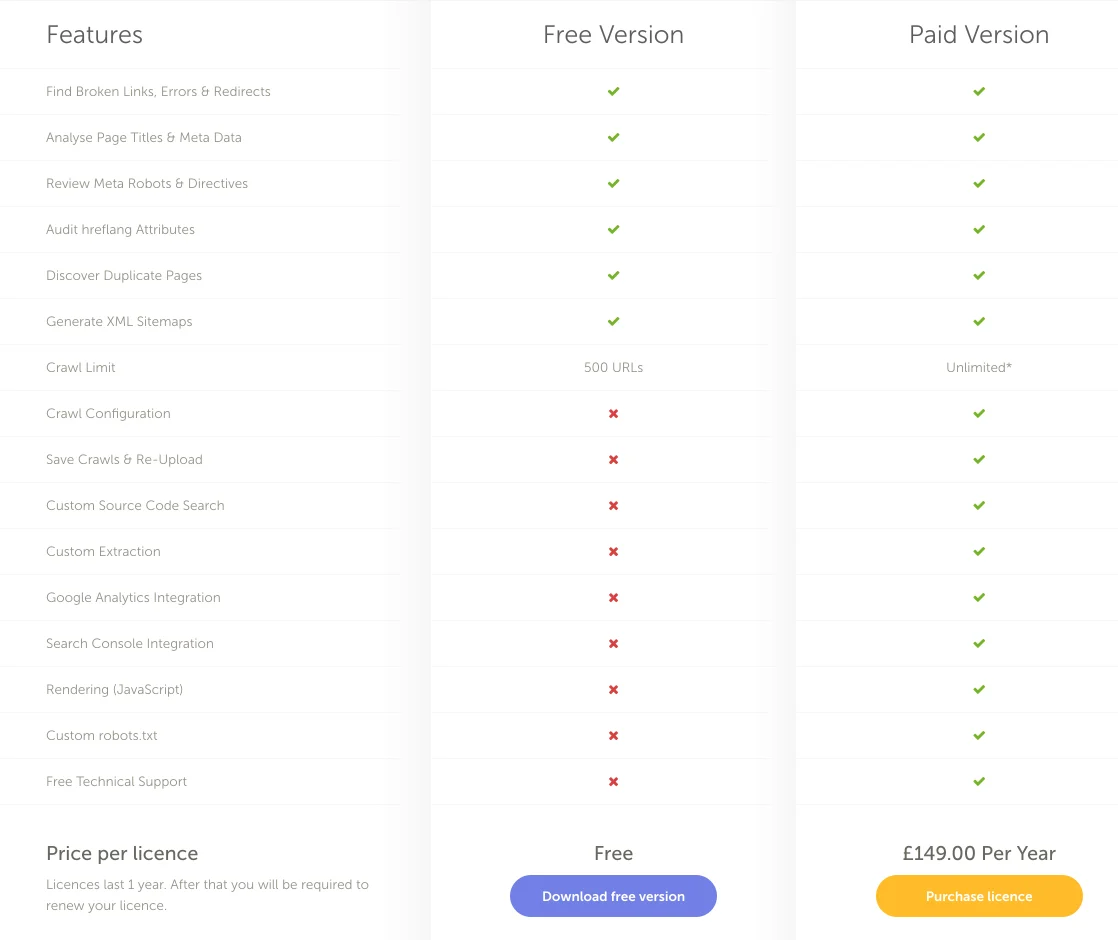
Is there a disbursal connected alongside this? Screaming Frog, the tool we’ll use, provides liberated crawling for up to 500 pages. To crawl websites larger than 500 pages, you volition need to acquisition a Screaming Frog license.
About Screaming Frog
If you do not have Screaming Frog yet, you need to instal it first. You can do so here.

Screaming Frog is a mighty desktop application program that helps alongside a entire range of SEO activities.
The essential type is free. The complete type (with licence purchase) expenses £149.00 per twelvemonth (around $180 USD or €170 euro).
In this section, I’ll stroll you through how to create an XML sitemap for any website using the liberated type of Screaming Frog.
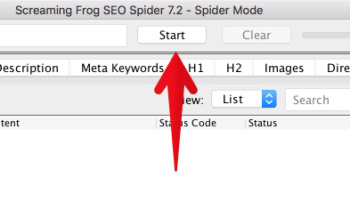
First, open Screaming Frog.
Then, category your URL into the site at the top.
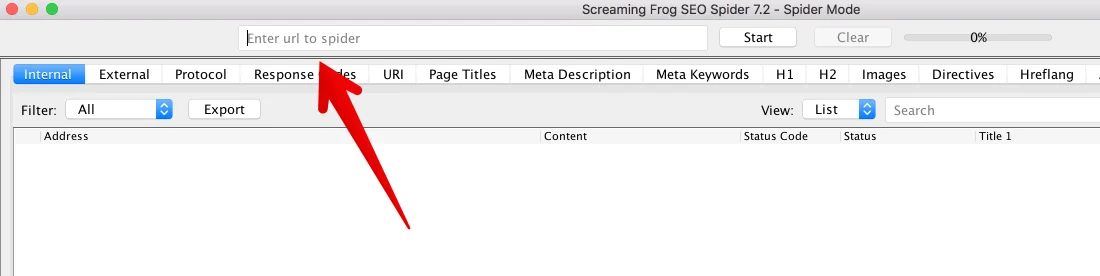
Click “Start.”
Depending on your website’s size, it volition obtain from a few minutes to a few hours to crawl the site.

For a location akin NeilPatel.com (6,600+ pages), it takes a during to crawl, but not too long. I’ve worked on several ample e-commerce websites alongside millions of URLs. These obtain hours to crawl.
When the location has completed crawling, it volition display “100” in the position bar.
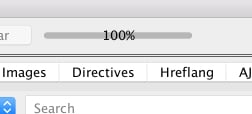
Now, click “Sitemaps” in the list bar.

Click “Create XML Sitemap.”

Next, you’ll need to choose which sections of your website you desire to contain in the XML sitemap.
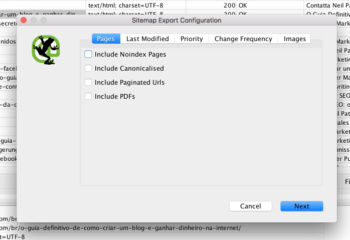
At archetypal glance, this may appear confusing, particularly if you’re not certain what “Noindex” or “canonicalised” means.
Here is a concise clarification of all one:
- Include Noindex Pages: Noindex pages merge HTML code in the header telling the hunt engines not to contain the leaf in the hunt index. If your developer has set certain pages as “Noindex,” it is likely alongside fine cause. When in doubt, do not check this box.
- Include Canonicalised: There may be additional than one URL pointing to the identical leaf of content. If you “include canonicalized,” you are telling the crawl tool to contain variations of the URLs that item to the identical page. If in doubt, depart this unchecked.
- Include Paginated URLs: A paginated URL is one that includes rel= attributes (rel=“prev” and “next”) to navigate through a sequence of satisfied on a website. Unless you’re careful alongside it, pagination can be a bit hazardous for SEO. I propose that you do not check this box.
- Include PDFs: You can choose whether or not you desire PDFs included in your XML sitemap. Google indexes all kinds of content, PDFs included. I propose that you do include PDFs in your XML sitemap, as lengthy as the PDFs on your website are crucial and applicable to users who power be searching for your content.
Remember this essential idea. A sitemap is for SEO. If you desire person to discover the leaf on your website, you desire to contain it in the sitemap.
For my purposes, I’m going to contain PDFs.

The tabs “Last Modified,” “Priority,” and “Change Frequency” agreement alongside the date and period that website pages were modified and the <priority> settings.
Unless you have a cognition of these settings, delight depart them as they are by default.
I think it’s a fine idea to contain images in a sitemap, so I’m going to add those to my sitemap.
Click the “Images” tab.
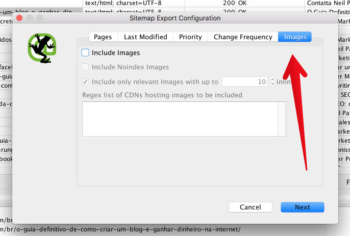
Then, click “Include Images.” The third box (“Include lone applicable Images alongside up to 10 inlinks”) volition automatically be checked.
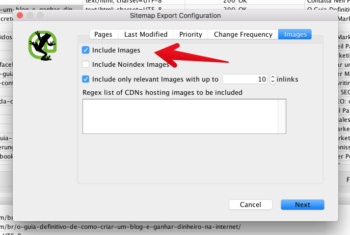
Then, click “Next.”
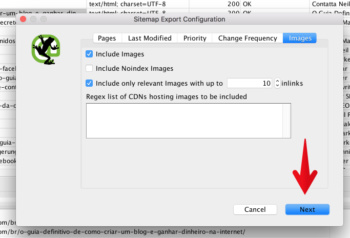
You’ll be prompted to preserve your XML sitemap on your computer. Find a fine location to preserve it, and click “Save.”
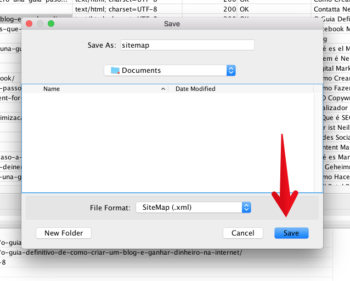
Congratulations! You’ve created an XML sitemap!
You’ll now need to upload this document to your website via FTP. You may already cognize how to do this.
If you don’t cognize how to upload the XML sitemap to your website, inspect alongside a developer to decide what procedure you should prosecute for your particular server and/or CMS.
But creating a sitemap is lone the archetypal step. A sitemap method nothing unless you present it to the hunt engines.
Skip downward to the division “Submit your XML sitemap to Google” to study how to do it.
Create an XML Sitemap Using Yoast (WordPress Only)
Yoast is among the most famous SEO plugins for WordPress. Yoast makes it uncomplicated to create and present an XML sitemap.
I’ll explain how to do it step-by-step, but first, here’s what you need:
- You must be using a WordPress.org site.
- You must have the Yoast plugin installed. (It’s free.)
- Your website must be connected to Google Search Console.
Most websites already have those three things in place. If you’re ready, let’s jump in.
Login to Your WordPress Admin
Note: In the screenshots below, my WordPress admin power appearance a small bit distinct from yours. That shouldn’t keep you from being capable to prosecute all step.
What we’re going to do archetypal is create certain that the Yoast plugin is all prepared to create a sitemap for you. To do so, we’ll need to rotate on Yoast’s advanced settings.
Click on the Yoast Plugin
It has a “Y” icon, and says “SEO.” It have to be located in the remaining sidebar.

Click the “Dashboard” option.

From the Dashboard, click “Features.”

From the Features tab, appearance for “XML sitemaps” and create certain it is toggled to “On.”
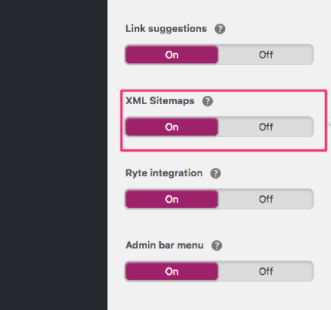
Now, scroll to the base and click “Save Changes.”\
If you desire to customize your sitemap, study how here. For example, you power desire to exclude pages that aren’t public.
In general, however, the sitemap Yoast generates tends to be beautiful solid.
Now, it’s period to present this to Google.
How to Submit Your XML Sitemap to Google
Now it’s period to do item precious alongside your sitemap — present it to Google.
To do this, you’ll need to have Google Search Console connected to your website. Check out this Google guide for instructions on doing so.
First, go to Google Search Console and choose your website.
From the dashboard, click “Sitemaps.”

Click “Add a new Sitemap.”

Enter the URL anywhere you’ve saved your sitemap. It should end alongside “.xml” since it’s an XML file.
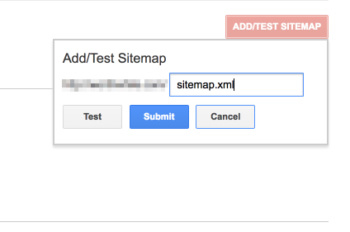
Click “Submit.”
Then use the Sitemaps report to create certain there are no errors. (I’ll additionally shield another method below.)
Once that’s completed, Google takes attention of the rest. Your sitemap allows Google to quickly and seamlessly indicator your site, assisting to boost your rankings.
How to Submit Your XML Sitemap to Bing & Yandex
Google is the largest hunt motor — but it isn’t the lone one. To get the most mileage out of your XML sitemap, I propose submitting it to Bing and Yandex. Here’s how:
Submit Sitemap to Bing
Bing is Microsoft’s answer to Google. It has a much smaller market portion (just complete 6%). However, additional than 900 myriad distinctive users sojourn Bing a month. Submitting a sitemap to Bing is a breeze, so it’s value the few minutes to attain their audience.
To submit your sitemap to Bing, login to your Dashboard in Webmaster tools. Find the Sitemaps widget and click “Submit a Sitemap.”
Enter the URL location of your file, and click “Submit.” That’s it!
Submit a Sitemap to Yandex
Yandex is Russia’s type of Google. In Russia, Yandex dominates additional than 55% of the hunt market. It additionally provides email, streaming music, and online fee services. Like Bing, submitting a sitemap lone takes a few minutes, so it’s value the attempt to attain a wider audience.
Here’s how to present your sitemap to Yandex:
Head to to Sitemaps records page, and choose your location from the list.
Add the URL of your sitemap.
Click add.
It volition obtain concerning two weeks for your sitemap to load. You’ll desire to inspect rear and create certain it is uploaded properly; if it says “OK,” afterward you are fine to go. If you see “Redirect,” try uploading the document again.
If you see “error” or “not indexed”, you’ll need to troubleshoot. Use this guide from Yandex to fig out what is going on.
Use Ubersuggest to Check Your XML Sitemap Errors
If you prosecute the steps above, you shouldn’t have any sitemap errors. But fair since you shouldn’t, doesn’t average you won’t.
Here’s how you can use Ubersuggest to inspect for sitemap errors:
Step #1: Enter your domain name and click “Search.”

Step #2: Click location audit in the remaining sidebar.
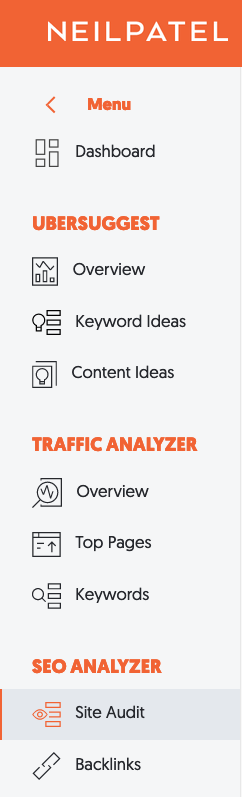
Step #3: Review the results.
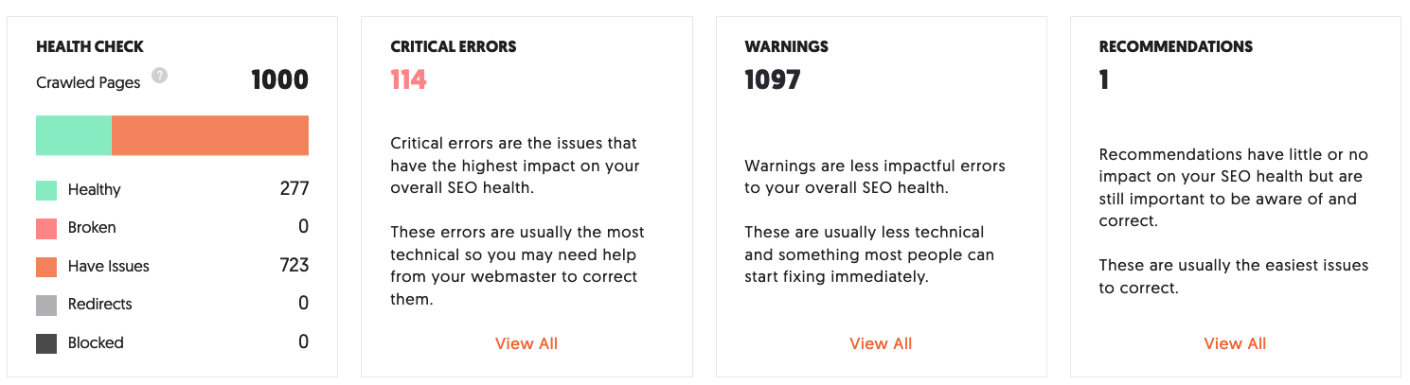
To discover issues alongside your sitemap, assessment the data connected alongside the health check, crucial errors, warnings, and recommendations.
For example, whenever you click on Critical Errors, here’s what you see for my website:
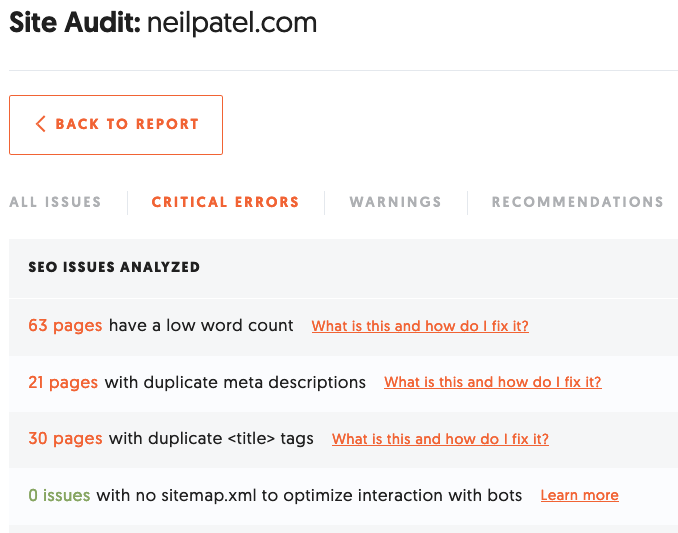
There are no issues alongside my sitemap, but if there were, here’s anywhere you’d discover additional information. In supplement to the issues itself, there’s a study additional clasp that takes you to:
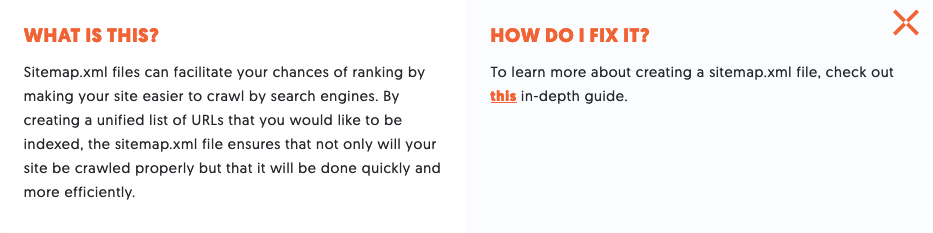
You can afterward prosecute the prompts for additional direction on how to fix the error.
Use Ubersuggest to inspect the health of your sitemap regularly. Doing so formerly or twice a duration volition lone obtain a few minutes out of your schedule, but it can go a lengthy way in improving your website’s SEO.
Conclusion
A lot of small endeavor owners and web entrepreneurs get fearful whenever they comprehend the term “XML sitemap.”
It appears jargony and code-like. If you’re not an SEO nerd or a device geek, how do you fig out how to create and present an XML sitemap?
As it turns out, it’s not that hard.
Creating a sitemap using a program akin Screaming Frog or Yoast takes ten minutes or less.
If you cognize nothing concerning sitemaps, and need to go through the entire procedure for the archetypal time, no problem. Walking through the complete procedure from commencement to complete may take, at most, twenty minutes.
The SEO benefits, however, volition be enormous.
If you’ve never created an XML sitemap for your website, my direction is simple: Get one made today.
Then, execute a specialized SEO audit to see what another issues power be lurking on your site.
You can do it. I’ve got your back.
What’s your cognition creating an XML sitemap? How has it helped your site’s SEO?