Vitamin K Deficiency Bleeding
Product Reviews and Technology News
Search Engine MC Project

Vitamin K deficiency bleeding
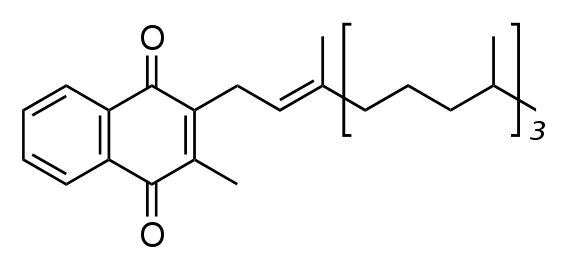
Vitamin K deficiency bleeding of the newborn, previously known as haemorrhagic disease of the newborn, is a rare form of bleeding disorder that affects newborns and young infants due to low stores of vitamin K at birth. It commonly presents with intracranial haemorrhage with the risk of brain damage or death. Newborn infants have low stores of vitamin K, and human breast milk has little Vitamin K. This combination can lead to vitamin K deficiency and later onset bleeding. Vitamin K deficiency leads to the risk of blood coagulation problems due to impaired production of clotting factors II, VII, IX, X, protein C, and protein S by the liver. More rarely, VKDB can be caused by maternal medications that cause vitamin K deficiency in the newborn. VKDB can be prevented by supplementing vitamin K, typically given shortly after birth by intramuscular injection. Most national health organisations recommend routine vitamin K supplementation after birth.
Data Source : Wikipedia
- Entity: Infobox
- Symptoms: Bleeding
- Usual onset: Birth To 2 Months Of Age
- Types: Early, Classical, Late
- Causes: Vitamin K Deficiency
- Prevention: Vitamin K Supplementation After Birth
- Wikidata description: Coagulation Disturbance In Newborns Due To Vitamin K Deficiency
- Wikidata label: Haemorrhagic Disease Of The Newborn
- Wikidata aliases: Haemorrhagic Disease Of The Newborn, Hemorrhagic Disease Of Newborn, Hemorrhagic Diathesis Of Newborn, Hemorrhagic Disease Of Newborn, Hemorrhagic Disease Of The Newborn Due To Vitamin K Deficiency (Disorder), Vitamin K Deficiency Bleeding In Newborn, Vitamin K Dependent Bleeding, Obsolete Hemorrhagic Disease Of Newborn


Popular Article
Meta isn't naming its AI models after fruit anymore

Here’s what it’s like to use Audio Intelligence on the Apple Watch