5G
Product Reviews and Technology News
Search Engine MC Project

5G

5G is the fifth and current generation of cellular network technology and the successor to 4G. In common commercial use, the term refers primarily to mobile networks based on the 3rd Generation Partnership Project 5G system and its New Radio air interface, which were first specified in 3GPP Release 15. 5G was developed to meet the International Telecommunication Union's IMT-2020 framework for fifth-generation mobile systems. Large-scale commercial deployments began in 2019, including South Korea's national 5G rollout. 5G networks may be deployed in non-standalone mode, using existing LTE core-network infrastructure, or in standalone mode with a dedicated 5G Core. Like earlier cellular systems, 5G networks divide service areas into smaller zones called cells, which are served by fixed cell sites. Compatible devices connect by radio to local base stations, which are linked to an operator's core network and to external networks such as the Internet through backhaul connections.
Data Source : Wikipedia
- Entity: Technology Standard
- Status: Active Deployment
- Year started: 2015
- Latest version: 3Gpp Release 15 (And Later)
- Preview version: 5G-Advanced (Release 18)
- Organization: 3Gpp, Itu
- Base standards: Imt-2020
- Domain: Mobile Telecommunications
- Wikidata description: 5Th Generation Of Cellular Mobile Communications
- Wikidata label: 5G
- Wikidata aliases: 5G, 5Th Generation Mobile Networks, 5G Technology, Fifth-Generation Wireless, 5 G, 5Th Generation
- Related Topics: Mobile Telecommunications, Internet Of Things


Popular Article
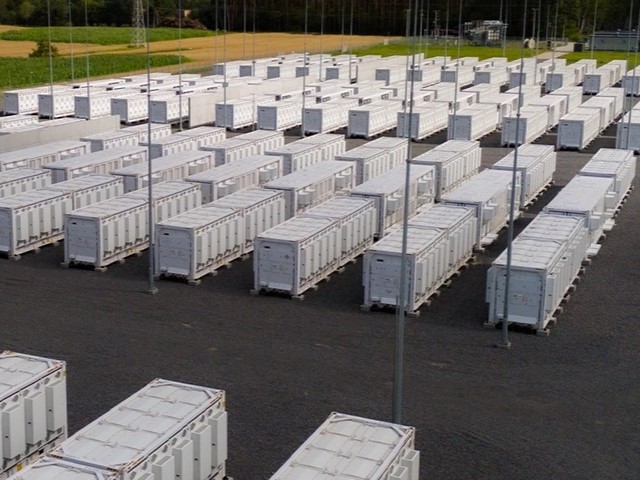
Greenvolt begins building 600 MW/2.4 GWh BESS in Poland