Passkeys are really great: no additional remembering passwords, no additional phishing. Logins are fair a click or media now, and perchance a biometric scan added to that. They aren't without their problems though.
Passkeys are really great: no additional remembering passwords, no additional phishing. Logins are fair a click or media now, and perchance a biometric scan added to that.
They aren't without their problems though. For instance, they can't be backed up; not akin your password that you can compose downward to your notebook at home. The passkey provider is liable to keep your passkey intact and secure. The provider itself additionally must remain alive. If the provider goes down, you can't use that passkey.
That's fairly the item though. Because, if you could backup your passkey, it could additionally be phished from you alongside a convincing adequate email and a nexus to a counterfeit website that asks for your passkey backup file.
But, it's not totally hopeless. You can add multiple passkeys to an document from distinct providers as a backup. For example, you can add a Windows Hello passkey, and afterward one alongside your password director too. However, that stream isn't intuitive. And several web sites don't equal authorize multiple passkeys, akin Costco:
i can have multiple passkey providers on the identical device, costco. you botched this.
— Sedat Kapanoğlu (@ssg.dev) 2025-10-10T19:41:57.451Z
Contrary to what Costco developers believe, I can have multiple passkey providers on the identical device: my functioning system, my password manager, and multiple bodily safety keys too. I'm certain Costco isn't solitary in this, and many another web sites botch their implementation of passkeys. Some web sites let you keep your password alongside alongside passkey. That beautiful much kills all the advantages of a passkey, and fair turns it into a fancy "Face ID Login" flow.
Users are oblivious to the finest practices of passkey-based authentication too. No person would think that they power need to add additional than a passkey to their document in command to be capable to regain it in the future. I don't know, perchance web sites should advance it. I really looked it up now, and apparently, FIDO recommends that approach too.
Account improvement is additionally inconsistent, and sometimes impossible. I accept document improvement is a greater issue than hacking. If you neglect at providing a accordant improvement cognition to your users, they'll fair endure their account, and may not annoy to create a new one.
Yes, there is email, and on several web sites, SMS. But these improvement flows are additionally prone to phishing. And neither email nor SMS stays forever. You have to be capable to have backup emails too, and the catalog of things to oversee in command to use passkeys goes on and on.
The most guaranteed way to regain your document is having a backup bodily safety key that you won't lose, perchance kept in a harmless or something. And PIN-based keys have, well, PINs, so you must not ignore that either. Maybe, you should compose it downward in a notebook, heh.
Longevity of bodily safety keys is another unknown. My notebook would keep operating 50 years from now, so my next of kin could admission my data whenever I'm gone, would a safety key final that long? Even if it remains functional and intact, volition the application stack assistance it? We cognize that Windows currently doesn't assistance hardware from 20 years ago, let solitary 50 years.
Perhaps, that have to be factored in to passkey-based document design. A passkey power need to be refreshed, or tested formerly in a while, akin Telegram's periodic "do you motionless recall your password?" prompts.
All added passkeys to an document needs to have a name, and that name must be capable to be renamed. Telegram shows a bodily safety key akin this:

I have multiple keys, and I don't cognize which one this is. So, if my key gets lost, how I can eliminate it from my accounts reliably?
Who manages the password managers?
Many password managers act as a passkey managers too, and that makes things extremely convenient: flash-speed sign-ins! However, 1Password, for instance, doesn't ask for biometrics whenever approving a sign-in, so, convenience comes alongside a cost: the defeat of the second factor.
You see, in any authentication scheme, the safety of second aspect comes from "something you have", say, a bodily key, versus "something you know", your password. So, password managers merge these two into a single, extremely convenient package, but you endure the two factors. It's lone one aspect now. If person takes complete your password director account, it's equivalent complete for you.
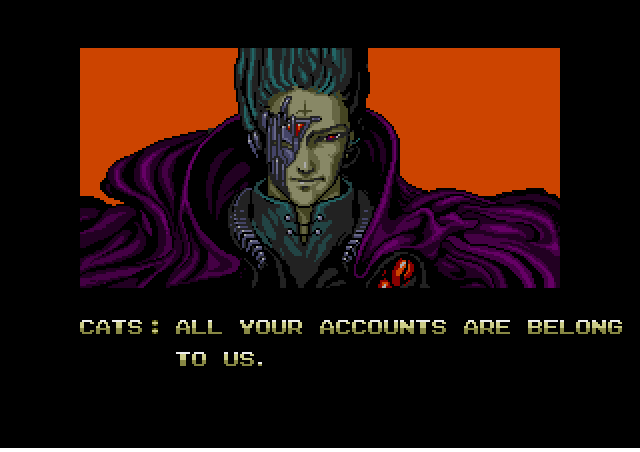
The takeover of all password data from password director servers has happened before, multiple times. So, it's not a one in a milliard possibility. If you were an extremely safety conscious individual alongside necessary cognition and skills, you could have a strict passkey administration that keeps passkeys in safety keys lone alternatively of the password managers.
There is no chief document of which websites we have registered our passkeys alongside either. Yes, your password director remembers the one you registered alongside them. But, for others, akin safety keys, you must go complete all web location you can recall of one by one. Losing a safety key can be a awesome headache, particularly if it was taken by person who targets you.
What volition the regular person do? Passkeys are lone "convenient sign-in" for them. They don't cognize concerning the caveats. They may be remaining alongside unrecoverable accounts, hacked accounts en masse, and frustration could be the finest outcome then.
We motionless have several activity to do before passkeys can rotate into mainstream. Until then, users have to be additional careful whenever switching to passkeys; not everything glitters is gold.