Websites operating Optimizely Web Experimentation served malicious JavaScript to visitors on Nov. 16 following an attacker added it to their projects inner Optimizely. The code exchanged crypto wallet addresses, looked for fee cards typed into sites’ own forms, and loaded utilize kits aimed at iPhones and iPads operating older versions of iOS.
Scott Helme, originator of Report URI, a business that sells tools for monitoring the scripts that run on websites, reported finding the code in snippets belonging to 178 organizations, including Zoom, the BBC, CNN, Salesforce and GitLab.
Optimizely’s status page says an unauthorized gathering “exploited a exposure in Experimentation” to add malicious JavaScript to several client projects. In a statement to BleepingComputer, the business stated the exposure was “in the Experimentation document signup flow” and that it has notified all affected customers. Teams operating Optimizely Web have checks to create inner their own accounts, starting alongside all project’s tradition code and everyone who can edit it, according to Helme.
How The Code Reached Customer Sites
The way Optimizely Web plant is by having all client burden a JavaScript snippet hosted on Optimizely’s Content Delivery Network (CDN). In supplement to the client-specific test data, this snippet can have an optional Project JavaScript division which allows clients to input their own tradition JavaScript that volition run alongside all leaf load.
Report URI established that the hacker had created malicious code inside the Project JavaScript division but remaining everything alternatively concerning the manuscript intact; thus, equal although the malicious code was present, the manuscript motionless came from cdn.optimizely.com, a domain that all affected website already trusted. Affected were additionally scripts that clients served from their own domains, as fine as those for optimizely.com and login.optimizely.com.
Optimizely’s declaration to BleepingComputer says the business has “blocked admission to the susceptible way and deployed a fix” and has “ended energetic sessions, revoked tokens, and reset admission for affected person accounts.”
What The Injected Code Did
Helme established that the inserted code would burden a second manuscript which would substitute cryptocurrency wallet addresses alongside the attacker’s. Starting at 1:43 pm UTC, it would observe the website’s own form sectors for credit cardstock information, expiration date and CVV, and attempt to present this data to the attacker following receiving all three. Credit cardstock data entered via hosted fee iframes (such as Stripe and Adyen) was exterior the script’s reach.
When the manuscript substituted an location next to conditions akin wallet or payment, it would additionally attempt to dispatch the webpage URL, non-HttpOnly marked cookies and a screenshot of the webpage to the attacker’s server. For the two iPhone and iPad users, the manuscript would additionally burden the Coruna and DarkSword utilize kits. The total amount received by the attacker’s wallets was about $7,040 by 7:25 pm UTC on Nov. 16. Report URI cannot decide how many cards, cookies or devices were compromised.
Helme’s squad reviewed a total of 1,611 Optimizely snippet files, most of which came from Report URI’s own crawl data; 188 contained malicious code. Helme believes the genuine figure is apt greater than 188. Report URI archetypal saw the code in a snippet on Nov. 16 at 4:21 a.m. UTC, and all of the infected records were spotless as of 11:11 pm UTC the identical day.
Why Content Security Policies Mostly Didn’t Stop It
The Content Security Policy (CSP), as a header, tells the browser the scripts that a website can use (the script-src section) and to which locations it may transmit data (the connect-src section). Report URI afterward compared those policies for the affected organizations’ sites against those required by the malicious code. Out of the total of 159 organizations that were reviewed, 68 had no Content Security Policy at all and 50 did have a Content Security Policy that permitted the two the malicious code and transfer of delicate person information.
Seventeen organizations permitted the malicious code to execute, but prevented it from transmitting the user’s data because of restrictions placed upon their connect-src directives. However, this did not forestall the malicious performer from substituting the intended recipient’s wallet location alongside the attacker’s. Additionally, 24 of the organizations, or 15%, entirely blocked implementation of the malicious code, and they differed from the another organizations studied in having a restrictive script-src directive.
Helme wrote that listing Optimizely’s domain name inside an organization’s Content Security Policy does not provision safety since the malicious code originated from that identical domain. A average Content Security Policy setting, 'strict-dynamic', permits admission to be granted to the malicious code if it is inserted into the satisfied via the Optimizely snippet. Likewise, an 'unsafe-eval' environment allows an inline type of the malicious code to be executed whenever admission to the first type has been denied.
Optimizely’s Content Security Policy assistance page lists 'strict-dynamic' in the recommended script-src line. Certain Optimizely features specified as audiences alongside tradition JavaScript conditions are unavailable unless 'unsafe-eval' is used, and the page’s complete example Content Security Policy includes 'unsafe-eval'.
What To Check In Optimizely
Helme says the Project JavaScript in all of the Optimizely Web client projects and the tradition JavaScript in their experiments have to be opened to discover 1688360.cc, atob( and any another scripts that were written by person another than the betterment team. You additionally need to assessment who has compose admission among your users, API tokens and integrations and afterward rotate your credentials.
Helme says that if your location uses cardstock sectors in its own forms, you volition desire to treat as perchance exposed all cards that were entered into your location on Nov. 16. You volition additionally desire to rotate any meeting token or concealed that is stored in a biscuit not marked HttpOnly.
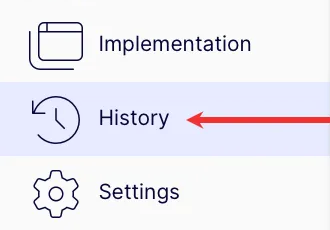
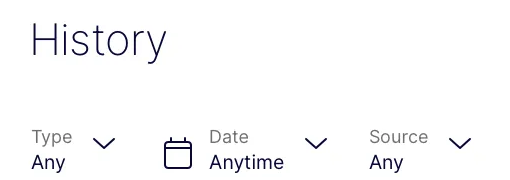
The change former page from Optimizely says that all project’s History logs all Project JavaScript alter and that you can display the log entries based upon how they were made (via the REST API or via the Web Experimentation interface). There are no steps listed for customers on the position page.
Optimizely’s records example below shows the History navigation item and the Type, Date and Source filters.
Why This Matters
Project JavaScript is run on all leaf that loads an Optimizely snippet, so this assault was capable to hit visitors without changing item on the affected sites’ own code. The alter sat in customers’ Optimizely projects, which put your Optimizely document (which includes who can edit Project JavaScript and what API tokens exist) on the identical audit catalog as your site.
Adding a vendor’s domain to an allowlist did nothing against code served from that domain. In Report URI’s results, the 24 organizations that blocked the code had a script-src listing constricted to lone the hosts they needed. Where the code motionless ran, a connect-src bounds on anywhere pages could dispatch data kept card, biscuit and screenshot data from leaving.
Looking Ahead
Optimizely told BleepingComputer it’s continuing to examine and volition publish updates on its position page, which listed the event as Monitoring on the dawn of Nov. 17. Its position page, X post and declaration don’t say how many client projects were affected or how a flaw in the signup stream let the attacker alter existing client projects. Until they do, the checks inner the document are the ones teams can run themselves.
Featured Image: KaterinaDdesign/Shutterstock